
About Cyferd
AI-Powered Innovation for
Solving global data challenges with ethical, agile transformation.

Our Journey
The idea that started it all
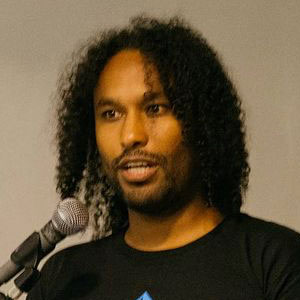
In 2021, Ranjit Bahia, our founder and CEO, saw the limitations of traditional software hindering businesses. Recognizing the challenges of digital transformation and siloed data, he assembled a team of visionaries and set out to create a game-changing solution. Our mission: empower organizations to tackle these hurdles and embrace a new era of seamless data integration and efficient change.
One Platform. Endless Solutions.
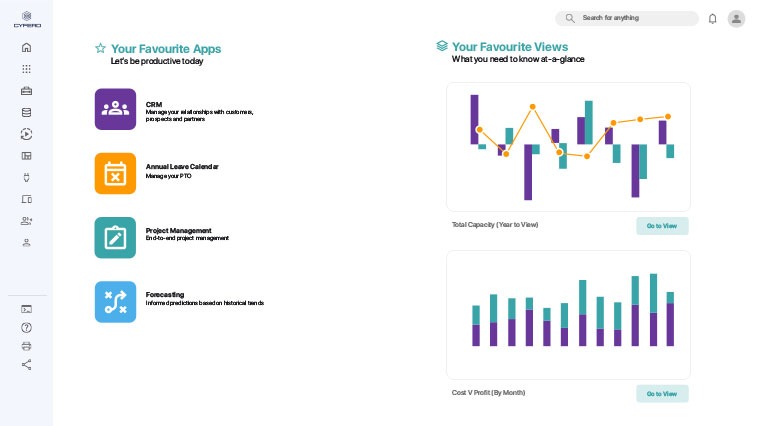
Fueled by a vision of a more efficient future, we set out to build a revolutionary platform. Our goal? A central hub that empowers businesses to effortlessly build applications seamlessly integrating all aspects of their operations. Disjointed systems and data silos would become a thing of the past, ushering in a new era of streamlined efficiency. Public services – healthcare, housing, and education – became our initial focus. We saw them as ripe for transformation, perfectly positioned to harness the power of the Cyferd Platform and unlock its potential for immense positive impact.
AI is everything
In 2023, AI entered the mainstream, and Cyferd was at the forefront of this revolution. We didn’t just see the potential – we built it. Our groundbreaking Neural Genesis AI engine puts the power to create custom software solutions directly in the hands of businesses. No coding necessary – just the ingenuity of your teams and the power of AI working together.
The future is Cyferd
From a tenacious team to a global force – that’s the Cyferd story. Today, we’re over 60 bright minds strong, a global team spread across the world. We’ve built strong partnerships, made strategic moves, and expanded our reach to new countries. All while relentlessly improving our platform to empower a wider range of industries.
Meet the leadership team Driving Innovation
Our mission is clear: empower your digital transformation. We leverage the power of a global team – diverse in background and brilliant in their own right. We spark ingenuity, fostering a culture where every mind can unleash its potential. We’re proud to nurture the best – together, we push boundaries and redefine what’s possible.
Ranjit Bahia
CEO & Founder

Ranjit Bahia
Revolutionary CEO, achieved back-to-back acquisitions by billion-dollar companies and fueled Cyferd’s exponential growth with strategic innovation and philanthropy.
Haider Al-Seaidy
Chief Customer Officer

Haider Al-Seaidy
Haider's experience at top tech firms fuels Cyferd's Customer Success team, driving operational efficiency to maximize platform value.
Michael Robertshaw
Director, Product Management (Infrastructure)

Michael Robertshaw
Michael Robertshaw brings extensive proficiency across the software development lifecycle, specializing in infrastructure architecture, software integration, and data migration.
Niall Gallacher
Director of Business Value

Niall Gallacher
Data guru of over 25 years, Niall empowers businesses to unlock value from data, driving strategic transformation across industries.
Grace Garner
Legal Counsel/Solicitor

Grace Garner
From pro bono champion to Cyferd powerhouse, Leicester Law grad, Grace leads our Legal team.
Pav Basra

Pav Basra
Telecommunications & BI pro bridges communication gaps and ensures compliance, leveraging experience in startups and industry.
Richard Byard
Chief Product Officer / CTO

Richard Byard
Leveraging 25+ years of change expertise, Rich leads Cyferd's product development to create agile solutions for evolving organizations.
Greg Merten
Senior VP of Alliances & Partnerships

Greg Merten
A tech maverick with an insatiable thirst for innovation. Greg fuels Cyferd's partner ecosystem with his 20+ years of expertise and relentless innovation.
Laura Varley
Global Marketing Manager

Laura Varley
This marketing & brand strategist of 15+ yrs, crafts captivating campaigns across industries, driving brand awareness & ROI with sharp insights and a relentless push for excellence.
Jas Hayer
Global Sales Director

Jas Hayer
A skilled global sales strategist, brings invaluable experience to Cyferd’s growth initiatives, with a proven track record in managing APJ sales operations.
Nacho Bibian
Chief Architecture Officer

Nacho Bibian
Product wiz Nacho's skills led Cyferd to bring him and his company Tetrakursio on board. Now our Chief Architect, he steers development.
Atanu Roy
SVP, Customer Success

Atanu Roy
Atanu's experience, spanning over 30 years of senior leadership, sales and technical sales is focused now on maximising our customers' ability to adopt, realise value and innovate with Cyferd.
Livvy Kershaw

Livvy Kershaw
Livvy keeps Cyferd running smoothly, streamlining processes and boosting communication. She’s the operations powerhouse driving growth and continuous improvement across the company.
Our Values
Driving Everything We Do.
Flexibility
Be open to change and feedback, and recognize the potential of others.
Solution-Driven
Listen, think analytically, be creative, and communicate with your team.
Respect
Vital to a healthy work environment, each department plays a key role in the success of Cyferd.
Commitment
Determination and hard work are what fuel Cyferd. Hard work helps each employee grow, develop and satisfy their goals.
Dynamic
Bring positivity into every day of your work life. Embrace change and strive for success.
Inclusive
Bringing diversity of thought and culture. We strive to be an industry leader in diversity and inclusion employment practices.
Our Values
Driving Everything We Do.
Flexibility
Be open to change and feedback, and recognize the potential of others.
Solution-Driven
Listen, think analytically, be creative, and communicate with your team.
Respect
Vital to a healthy work environment, each department plays a key role in the success of Cyferd.
Commitment
Determination and hard work are what fuel Cyferd. Hard work helps each employee grow, develop and satisfy their goals.
Dynamic
Bring positivity into every day of your work life. Embrace change and strive for success.
Inclusive
Bringing diversity of thought and culture. We strive to be an industry leader in diversity and inclusion employment practices.
Sustainability
Good for your business,
good for the planet
At Cyferd, we prioritize sustainability in our cloud solutions. Our primary cloud provider is Amazon Web Services (AWS), known for its highly efficient infrastructure and commitment to renewable energy. AWS boasts up to 5 times greater energy efficiency compared to the average European data center, and they’re on track to power all operations with 100% renewable energy by 2025.
However, we understand that cloud provider choice is important to you. We can also leverage the services of Google Cloud and Microsoft Azure if they better suit your specific requirements. Both Google Cloud and Azure are leaders in sustainability with ambitious goals.
Regardless of the chosen provider, we prioritize partnering with organizations that share our commitment to a sustainable future. We’ll work with you to select the best cloud solution that aligns with your business needs and environmental goals.









Ready to be a part of our story?
Cyferd is looking for diverse, creative visionaries to join our team in creating our digital transformation platform. Get a chance to work with a talented team – and be part of a wave changing the face of digital transformation.

Get Started Today
Supercharge your productivity, streamline operations, and free up resources for growth.

New York
Americas Tower
1177 6th Avenue
5th Floor
New York
NY 10036
London
2nd Floor,
Berkeley Square House,
Berkeley Square,
London W1J 6BD