Sports Management Solutions
The unified platform for modern sports organisations
Elevate Your Game
Your Team’s Most Valuable Platform
Running a sports organisation today means juggling data, systems, and processes that rarely talk to each other. Cyferd Sports changes that. Built on the Cyferd Platform, it brings everything together into one secure, scalable environment — giving teams, clubs, and federations a cleaner, faster way to work.
No more disconnected tools. No more duplicated effort. Just one platform powering every workflow, every department, and every decision.
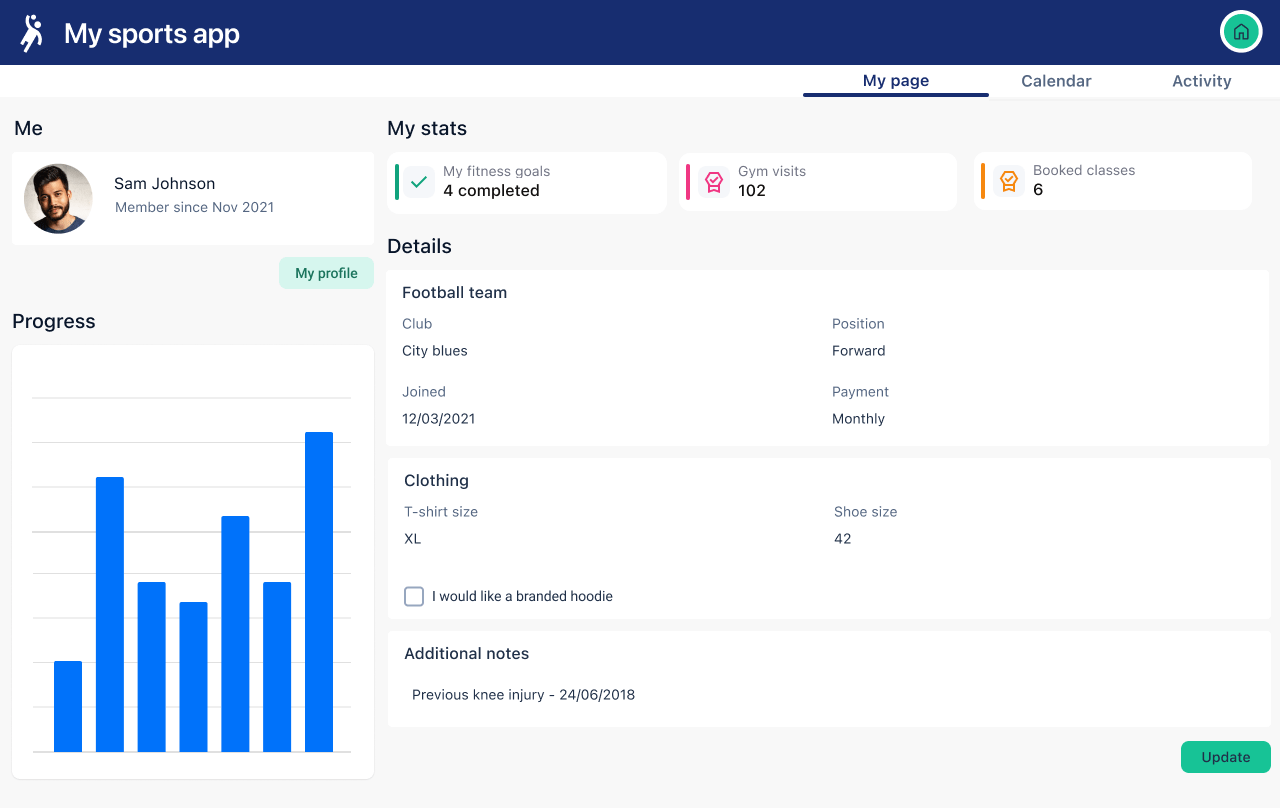
Fully Integrated Software Ecosystem
Integrates and enhances your favorite tools
Frustrated by juggling multiple software programs? Cyferd integrates your favorite tools, creating a unified platform that automates workflows, eliminates data silos, and boosts efficiency. Unleash the potential of your existing software ecosystem and see how Cyferd can transform the way you work.
AI Solutions for Professional Sport Organisations
How Cyferd Sports can help your Sports Organisation
Streamlined Digital Transformation
Say goodbye to manual processes and fragmented systems. Cyferd offers a unified platform to automate repetitive tasks, centralize data securely, and streamline workflows across your sports organization.
Enhanced Data-Driven Decision Making
Leverage the power of data analytics to gain valuable insights into league operations, athlete performance, and fan engagement. Make informed decisions backed by data to optimize your sports organization and achieve greater success.
Seamless Integration with Existing Tools
Cyferd integrates seamlessly with existing sports management software and tools you already use. This ensures a smooth transition and maximizes the value of your current technology investments.
AI-Driven Efficiency
Leverage AI functionalities like scheduling optimization, performance prediction, and fan sentiment analysis. Cyferd helps sports organizations automate tasks, improve efficiency, and gain valuable insights to optimize athlete performance and fan engagement.
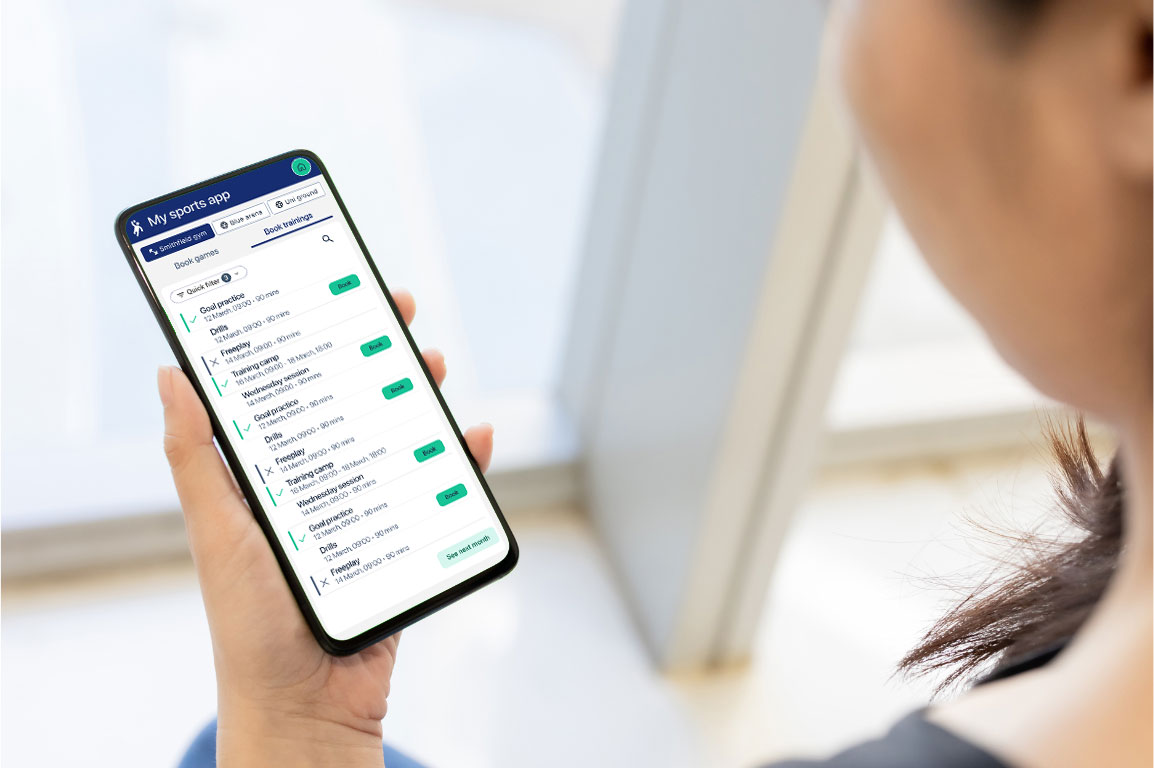
Build Your Own Custom Sports Management Solution
Core Solutions for Elite Sports
Scouting & Recruitment
Move away from fragmented reports and shared drives. Cyferd unites performance data and live scouting notes into one platform. Build shortlists, compare players, and track progress based on your club’s unique criteria.
Player Performance Evaluation
Technical, tactical, and sports science data feed into one standardised evaluation model. Understand contribution, match impact, readiness, and long-term development — all in one view.
Player Valuation Model
A transparent valuation framework connects on-pitch metrics, availability, potential, and financial data. No guesswork. Just clear, evidence-based guidance for transfers, renewals, and succession planning.
Operations & Logistics
Automate tasks that currently drain time — registrations, scheduling, document control, equipment tracking, approvals. Everything lives on the same platform, so updates flow across departments instantly.
Try me…

AI-Powered Transformation: Next-Gen Solutions for Sports Management

New York
Americas Tower
1177 6th Avenue
5th Floor
New York
NY 10036
London
2nd Floor,
Berkeley Square House,
Berkeley Square,
London W1J 6BD
Request a Demo
Comparisons
BOAT Platform Comparison 2026
Timelines and pricing vary significantly based on scope, governance, and integration complexity.
What Is a BOAT Platform?
Business Orchestration and Automation Technology (BOAT) platforms coordinate end-to-end workflows across teams, systems, and decisions.
Unlike RPA, BPM, or point automation tools, BOAT platforms:
- Orchestrate cross-functional processes
- Integrate operational systems and data
- Embed AI-driven decision-making directly into workflows
BOAT platforms focus on how work flows across the enterprise, not just how individual tasks are automated.
Why Many Automation Initiatives Fail
Most automation programs fail due to architectural fragmentation, not poor tools.
Common challenges include:
- Siloed workflows optimised locally, not end-to-end
- Data spread across disconnected platforms
- AI added after processes are already fixed
- High coordination overhead between tools
BOAT platforms address this by aligning orchestration, automation, data, and AI within a single operational model, improving ROI and adaptability.
Enterprise BOAT Platform Comparison
Appian
Strengths
Well established in regulated industries, strong compliance, governance, and BPMN/DMN modeling. Mature partner ecosystem and support for low-code and professional development.
Considerations
9–18 month implementations, often supported by professional services. Adapting processes post-deployment can be slower in dynamic environments.
Best for
BPM-led organizations with formal governance and regulatory requirements.
Questions to ask Appian:
- How can we accelerate time to production while maintaining governance and compliance?
- What is the balance between professional services and internal capability building?
- How flexible is the platform when processes evolve unexpectedly?
Cyferd
Strengths
Built on a single, unified architecture combining workflow, automation, data, and AI. Reduces coordination overhead and enables true end-to-end orchestration. Embedded AI and automation support incremental modernization without locking decisions early. Transparent pricing and faster deployment cycles.
Considerations
Smaller ecosystem than legacy platforms; integration catalog continues to grow. Benefits from clear business ownership and process clarity.
Best for
Organizations reducing tool sprawl, modernizing incrementally, and maintaining flexibility as systems and processes evolve.
Questions to ask Cyferd:
- How does your integration catalog align with our existing systems and workflows?
- What is the typical timeline from engagement to production for an organization of our size and complexity?
- How do you support scaling adoption across multiple business units or geographies?
IBM Automation Suite
Strengths
Extensive automation and AI capabilities, strong hybrid and mainframe support, enterprise-grade security, deep architectural expertise.
Considerations
Multiple product components increase coordination effort. Planning phases can extend time to value; total cost includes licenses and services.
Best for
Global enterprises with complex hybrid infrastructure and deep IBM investments.
Questions to ask IBM:
- How do the Cloud Pak components work together for end-to-end orchestration?
- What is the recommended approach for phasing implementation to accelerate time to value?
- What internal skills or external support are needed to scale the platform?
Microsoft Power Platform
Strengths
Integrates deeply with Microsoft 365, Teams, Dynamics, and Azure. Supports citizen and professional developers, large connector ecosystem.
Considerations
Capabilities spread across tools, requiring strong governance. Consumption-based pricing can be hard to forecast; visibility consolidation may require additional tools.
Best for
Microsoft-centric organizations seeking self-service automation aligned with Azure.
Questions to ask Microsoft:
- How should Power Platform deployments be governed across multiple business units?
- What is the typical cost trajectory as usage scales enterprise-wide?
- How do you handle integration with legacy or third-party systems?
Pega
Strengths
Advanced decisioning, case management, multi-channel orchestration. Strong adoption in financial services and healthcare; AI frameworks for next-best-action.
Considerations
Requires certified practitioners, long-term investment, premium pricing, and ongoing specialist involvement.
Best for
Organizations where decisioning and complex case orchestration are strategic differentiators.
Questions to ask Pega:
- How do you balance decisioning depth with deployment speed?
- What internal capabilities are needed to maintain and scale the platform?
- How does licensing scale as adoption grows across business units?
ServiceNow
Strengths
Mature ITSM and ITOM foundation, strong audit and compliance capabilities. Expanding into HR, operations, and customer workflows.
Considerations
Configuration-first approach can limit rapid experimentation; licensing scales with usage; upgrades require structured testing. Often seen as IT-centric.
Best for
Enterprises prioritizing standardization, governance, and IT service management integration.
Questions to ask ServiceNow:
- How do you support rapid prototyping for business-led initiatives?
- What is the typical timeline from concept to production for cross-functional workflows?
- How do licensing costs evolve as platform adoption scales globally?