
Healthcare Solutions
Healing the Digital Divide in Healthcare
Empowering a revolution with AI-enabled solutions for a healthier tomorrow
Unlock the full potential of your healthcare institution with Cyferd’s cutting-edge digital solutions tailored specifically for the healthcare sector. From revolutionizing administrative processes to enhancing patient care and driving innovation, Cyferd is your trusted partner in achieving greater efficiency and excellence in healthcare delivery.
Electronic Health Records
Appointment Scheduling
Patient Portal
Pharmacy Management
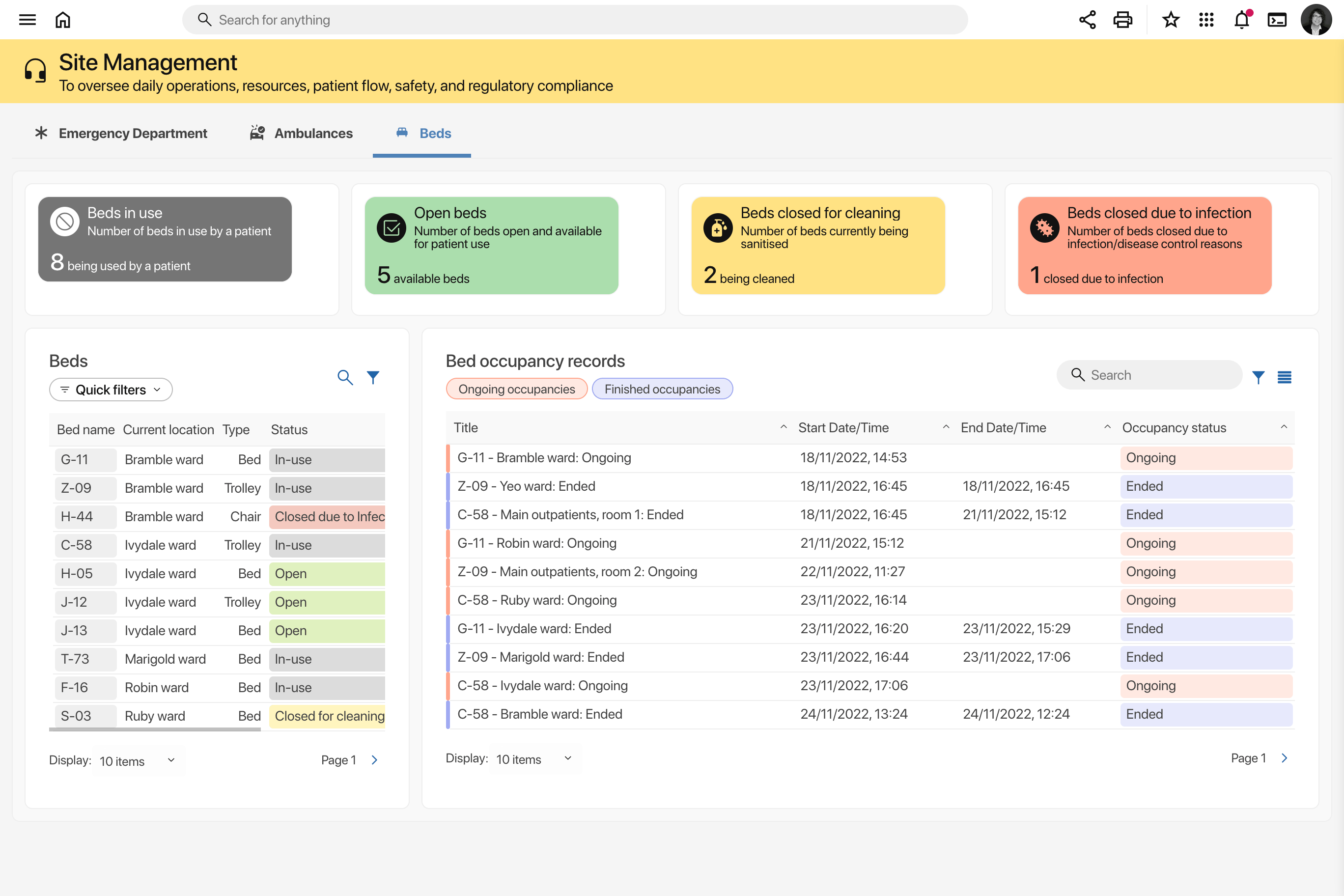
Fully Integrated Software Ecosystem
Integrates and enhances your favorite tools
Frustrated by juggling multiple software programs? Cyferd integrates your favorite tools, creating a unified platform that automates workflows, eliminates data silos, and boosts efficiency. Unleash the potential of your existing software ecosystem and see how Cyferd can transform the way you work.








Enhancing Patient Care and Driving Innovation
Cyferd: The All-in-One AI Platform
To Deliver Excellence in Healthcare
Improve Patient Outcomes with AI-Powered Healthcare Solutions
Today’s healthcare landscape demands more. Cyferd’s AI platform empowers providers to put patients first by streamlining workflows, boosting engagement, and personalizing care. Leverage data analytics and machine learning to ensure smooth care coordination, proactive risk management, and happier patients. See better outcomes, faster, with Cyferd.
Reduce Patient Wait Times with Cyferd's AI
Long wait times can frustrate patients and strain healthcare resources. Cyferd’s AI platform tackles this challenge head-on by expediting the triage process. Patients can complete AI-generated health questionnaires before their appointment. This allows Cyferd’s AI to analyze their condition and recommend a potential treatment pathway. This streamlines the initial assessment, freeing up healthcare professionals to focus on complex cases and get patients seen quicker.
Automate Healthcare Administration & Reduce Costs with Cyferd
Administrative tasks can bog down healthcare institutions, hindering efficiency and patient care. Cyferd’s Enterprise Platform tackles this challenge head-on by simplifying and automating processes. Cyferd streamlines workflows with intelligent automation freeing up valuable staff time, allowing for better resource allocation, and ultimately, creating a smoother experience for both patients and healthcare providers.
Accelerate Medical Innovation with Cyferd's Clinical Research Solutions
Data holds the key to unlocking medical breakthroughs. Cyferd empowers healthcare institutions to accelerate research through our AI-power platform – uncover hidden insights, foster seamless teamwork, and keep projects on track. Cyferd helps translate research into real-world improvements, accelerating innovation and ultimately, better patient outcomes.
Revolutionize Hospital Operations with AI-Powered Demand Forecasting
Cyferd empowers hospitals to predict patient demand. Real-time data analytics let administrators optimize resources, ensuring the right staff, beds, and supplies are available. This proactive approach minimizes wait times, improves care, and boosts efficiency. It’s data-driven healthcare for a new era.
AI Solutions for Healthcare
How Cyferd can Future-Proof Your Healthcare Practice
Streamlined Digital Transformation
Say goodbye to outdated paper-based processes and embrace a seamless digital transformation journey with Cyferd. Our platform offers intuitive solutions to automate repetitive tasks, centralize patient data securely in the cloud, and streamline workflows across departments. With Cyferd, your healthcare institution can operate more efficiently and deliver better services to patients and staff.
Smooth Integration of Healthcare Technologies
Transitioning from legacy healthcare systems to modern digital solutions has never been easier with Cyferd. Our advanced AI technology ensures seamless integration of disparate healthcare technologies into a unified platform. Modernize your IT infrastructure, enhance interoperability, and unlock the full potential of digital healthcare with Cyferd.
Data Interoperability and Clinical Insights
Unleash the true potential of your Hospital Information System (HIS) with Cyferd. Break down data silos and fragmented systems, fostering seamless data exchange across your entire organization. Cyferd integrates seamlessly with your existing HIS, creating a connected environment for informed decision-making. Leverage data analytics and empower your healthcare providers to improve clinical outcomes with confidence.
AI-Driven Healthcare Efficiency
Transform your healthcare operations with AI-powered workflows from Cyferd. Automate routine tasks, gain valuable clinical insights, and optimize processes with advanced AI functionalities such as predictive analytics, natural language processing, and machine learning. Stay ahead of the curve in the rapidly evolving healthcare landscape with Cyferd’s AI-driven solutions.

Build Your Own Custom Healthcare Solution
What Healthcare Solutions
can you build with Cyferd?
Clinical Workflow Optimization
Streamline clinical workflows such as patient triage, diagnostic testing, and treatment planning with customizable task tracking and automated alerts.
Patient Engagement and
Remote Monitoring
Enhance patient engagement and promote self-care with virtual care platforms, remote monitoring, and patient education resources.
Clinical Research Support
Accelerate medical research and clinical trials with AI-driven data analysis tools and research collaboration platforms.
Try me…
Healthcare Case Studies
Streamlining Study Leave Applications with Cyferd
In today’s healthcare landscape, innovation is key to improving efficiency and staff satisfaction. This translates directly to better patient care. A leading healthcare provider partnered with Cyferd, a global leader in AI-driven solutions, to achieve just that. Their collaboration tackled a common hurdle in medical education: the arduous study leave application process.
Learn how Cyferd transformed a time-consuming paper-based system into a streamlined digital solution, benefiting both medical professionals and patients.
Challenge
Solution
Outcome

Get Started Today
Supercharge your productivity, streamline operations, and free up resources for growth.

New York
Americas Tower
1177 6th Avenue
5th Floor
New York
NY 10036
London
2nd Floor,
Berkeley Square House,
Berkeley Square,
London W1J 6BD